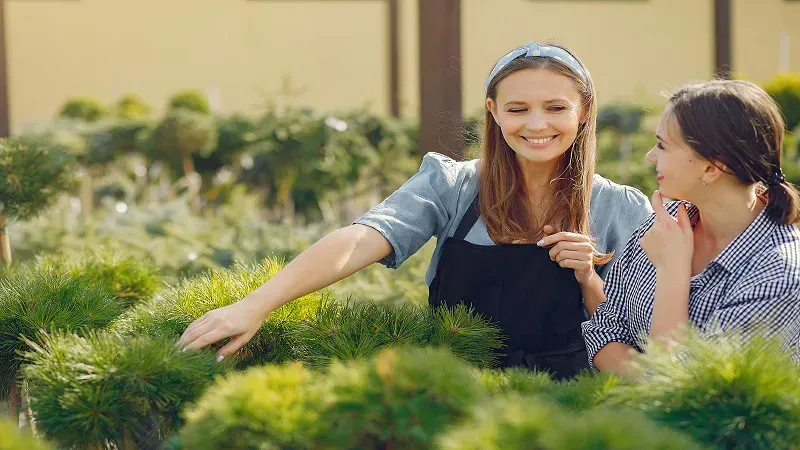
A garden can change the entire feeling of a home. Garden Advice Homenumental offers simple ideas to help you create and maintain a beautiful outdoor space. Even a small garden can become a peaceful place to sit, grow plants, enjoy fresh air, or spend time with family. Creating and maintaining a beautiful garden does not always require expensive tools or professional help. Often, a little planning and regular care can make a big difference.
At HomeNumental, we believe gardening should feel enjoyable rather than difficult. This Garden Advice HomeNumental guide shares simple ideas that beginners and experienced gardeners can use to create a healthier and more attractive outdoor space.
Whether you have a large backyard, a small garden, a balcony, or a few plants near your home, the right approach can help your plants grow better.
Start by Understanding Your Garden
Before buying plants, take some time to look at your outdoor space. Notice where sunlight falls during the day. Some areas may receive full sunlight, while others remain shaded for several hours. This matters because different plants have different light requirements. Also look at the soil, drainage, available space, and wind conditions.
Ask yourself:
- How much sunlight does the garden receive?
- Does water drain properly?
- Is the soil dry, sandy, or heavy?
- How much time can I spend caring for plants?
- What type of garden do I want?
These simple questions can help you avoid choosing plants that are unsuitable for your space. This is one of the most useful lessons in Garden Advice HomeNumental: understand your garden first, then decide what to grow.
Choose Plants That Suit Your Space
With Garden Advice Homenumental, it can be tempting to choose plants simply because they look beautiful. However, appearance should not be the only consideration.
A plant may look perfect in a garden center but struggle in your yard if it needs more sunlight, different soil, or a different climate. Choose plants according to the conditions you can provide.
If you are new to gardening, begin with plants that are relatively easy to care for. Growing a few healthy plants is much better than buying too many and becoming overwhelmed. You can always expand your garden later.
Pay Attention to Soil Quality
Healthy soil provides plants with the foundation they need to grow. Before planting, check whether your soil holds too much water or dries out very quickly. Poor drainage can cause problems for plants whose roots do not tolerate excess moisture.
Adding suitable organic material can improve soil structure and provide nutrients. Compost is commonly used by gardeners to enrich soil, but the right approach depends on the plants you are growing and the condition of your soil.
If you are uncertain about your soil quality, consider getting it tested. A soil test can provide useful information about its condition and nutrient levels.
Water Plants the Right Way
Watering sounds simple, but it is one of the areas where gardeners often make mistakes. Some people water too frequently, while others wait too long.
Instead of following a strict schedule, pay attention to the needs of your plants and the condition of the soil. Weather also makes a difference. Plants may need more water during hot, dry periods and less during rainy weather. When watering, try to direct water toward the soil around the roots rather than constantly wetting the leaves.
Early morning is often a practical time to water because temperatures are generally cooler. The goal is not simply to give plants more water. The goal is to give them the amount they actually need.
Give Plants Enough Space
Plants need room to grow. When planting several plants close together, think about their mature size rather than how small they look when you first buy them. Crowded plants may compete for sunlight, water, nutrients, and air circulation.
Good spacing can also make garden maintenance easier. You will have more room to water, remove weeds, inspect leaves, and care for individual plants. Always check the recommended spacing for the particular plant you are growing.
Use Mulch to Protect the Soil
Mulch can be a useful addition to many gardens. A layer of suitable mulch around plants can help the soil retain moisture and reduce the growth of weeds. It can also make garden beds look neat and finished.
However, avoid piling mulch directly against plant stems or tree trunks. Leave appropriate space so the plant can remain healthy. Different types of mulch have different characteristics, so choose one that suits your garden and local conditions.
Keep Weeds Under Control
Weeds take away essential water, nutrients, sunlight, and growing space from your plants. The best approach is usually to deal with them regularly rather than allowing them to take over the garden.
Pulling small weeds when the soil is slightly moist can make the job easier. Mulching can also help reduce new weed growth.
Try to identify weeds before removing them if you are unsure. Some plants that appear unwanted may actually be useful or intentionally planted. Regular maintenance is easier than trying to clear a garden that has been neglected for months.
Prune Plants Carefully
Pruning can help plants maintain their shape and remove damaged or unwanted growth. However, pruning too much or at the wrong time can cause problems.
Before cutting a plant, learn about its specific pruning needs. Some plants benefit from pruning during particular seasons, while others require very little pruning.
Always use clean and suitable tools. Make deliberate cuts rather than cutting branches randomly. If you have large trees or difficult branches near power lines or buildings, professional help may be the safest choice.
Watch for Pests and Plant Problems
Garden pests can appear even when you take good care of your plants. Check leaves, stems, and flowers regularly. Look for unusual holes, discoloration, spots, damaged growth, or insects. Early detection makes problems easier to manage.
Before using any pest-control product, identify the problem correctly and follow the product instructions carefully. Avoid using more than recommended.
You can also encourage beneficial insects and maintain healthy plants as part of an overall garden-care approach. A healthy garden is often better able to handle minor pest problems than a stressed garden.
Give Your Garden Enough Sunlight
Sunlight is one of the most important factors in plant growth. Some plants need several hours of direct sunlight every day, while others prefer partial shade.
If a plant repeatedly struggles, check whether it is receiving the light it needs. Sometimes moving a container to a brighter or more shaded location can make a noticeable difference.
When designing a new garden bed, observe the sunlight before planting. Remember that the amount of light can change throughout the year as the sun’s position changes.
Add Flowers for Color
Flowers can bring life and personality to an outdoor space. You can choose flowers based on color, season, size, and maintenance needs. Instead of planting everything at once, consider creating a combination that provides interest at different times of the year.
You can also use containers if you have limited space. Pots allow you to move plants around and experiment with different arrangements. A simple combination of flowers, greenery, and attractive containers can make even a small outdoor area feel special.
Grow Herbs and Vegetables
A garden does not have to be purely decorative. Growing herbs and vegetables can make your outdoor space more useful. Beginners may enjoy starting with herbs such as basil, mint, parsley, or other varieties suited to their local growing conditions. Vegetables can also be grown in containers when garden space is limited.
Start with a small selection rather than trying to grow everything at once. Learn what works in your space, then expand gradually. There is something particularly satisfying about using herbs or vegetables that you have grown yourself.
Create a Comfortable Garden Space
A beautiful garden is even better when you can enjoy it. Consider adding a simple seating area. A chair, bench, or small outdoor table can turn an unused corner into a relaxing spot.
You might also add:
- Outdoor lighting
- Decorative pots
- A small pathway
- Garden ornaments
- A water feature
- Comfortable outdoor furniture
You do not need to add everything. Choose features that suit your space and personal taste. The best garden is one that you actually enjoy using.
Keep Garden Tools Organized
Good tools can make gardening easier, but you do not need a huge collection. Start with basic tools that match the type of work you regularly do. Keep them clean and store them somewhere dry after use.
Sharp cutting tools should be handled carefully. Follow safety instructions and use protective equipment when appropriate. Keeping your tools organized also saves time. You will not have to search for a missing tool every time you want to complete a small gardening task.
Make Gardening a Regular Habit
One of the simplest pieces of Garden Advice HomeNumental is to take care of your garden regularly. You do not need to spend an entire weekend working outside.
A few minutes several times a week can be enough to:
- Remove small weeds
- Check plants for pests
- Water when needed
- Remove dead flowers
- Pick vegetables and herbs
- Clean garden areas
Small tasks become much easier when you do them regularly. Gardening is more enjoyable when it does not turn into a huge job.
Think About the Seasons
Your garden will change throughout the year. Spring may be a good time for planting and preparing beds. Summer often requires more attention to watering. Autumn can bring falling leaves and preparation for colder weather. Winter may require less active gardening, depending on your climate.
Rather than treating gardening as a one-time project, think of it as an ongoing process. Keep notes about what worked well and what did not. These notes can help you make better decisions the following year.
Do Not Be Afraid of Mistakes
Every gardener makes mistakes. A plant may not survive. Seeds may fail to grow. You may water too much or choose the wrong location. That is part of learning.
Instead of becoming discouraged, try to understand what happened. Was there too much shade? Was the soil too wet? Did the plant need different care? Each mistake can teach you something useful. Gardening becomes easier as you gain experience.
Simple Ways to Make a Small Garden Look Bigger
If you have a small outdoor area, thoughtful design can make it feel more spacious.
Use vertical space with suitable climbing plants or wall-mounted planters. Keep pathways clear and avoid filling every corner with large objects. Using a consistent color scheme can also create a more organized appearance.
Containers of different heights can add depth without taking up too much ground space. A small garden does not need to feel limited. With careful planning, even a compact area can become attractive and useful.
Make Your Garden Part of Your Home
Your garden should feel connected to the rest of your home. Think about the view from your windows and doors. You can place attractive plants where they can be enjoyed from indoors.
If your home has a patio or outdoor sitting area, use plants and decorations to create a natural transition between indoor and outdoor spaces.
This approach can make your entire property feel more connected. It also supports the HomeNumental idea of creating beautiful spaces that improve everyday living.
Final Thoughts on Garden Advice HomeNumental
Good gardening does not require perfection. It requires attention, patience, and a willingness to learn. The most useful Garden Advice HomeNumental is to start with the basics. Understand your space, choose suitable plants, care for your soil, water thoughtfully, and make regular maintenance part of your routine.
Do not feel pressured to create a perfect garden immediately. Begin with a few plants and learn how they respond to your conditions. As your confidence grows, you can add new flowers, herbs, vegetables, seating areas, or decorative features. A garden should be a place you enjoy, not another source of stress.
Whether you have a large backyard or just a few pots near your home, small changes can create a noticeable difference. With the right care and a little creativity, your outdoor space can become greener, healthier, and more inviting.
At HomeNumental, we believe that simple ideas can make beautiful homes. Your garden is an important part of that picture, so give it the attention it deserves and enjoy watching it grow.