A beautiful garden can make your home feel fresh, calm, and welcoming. You don’t need a big outdoor space or costly tools to create a nice garden. With the right plants, regular care, and some simple ideas, you can turn even a small space into a green and peaceful place. Garden HomeNumental shares simple gardening ideas to help you care for plants and make your outdoor space more attractive.
Gardening is also a fun way to spend time outside. Whether you have a backyard, a balcony, a small patio, or a few pots near a window, you can find ways to grow plants and add natural beauty to your surroundings.
This guide will help you choose plants, prepare the soil, water your plants, arrange your garden, and keep your plants healthy.
1. Choose Plants That Are Good for Your Garden
Choosing the right plants is the first step to creating a lovely garden. Plants need different amounts of sunlight, water, and space. Check your garden before buying plants. If your garden gets plenty of sunlight, you can grow flowers and herbs that need more sun. If your garden does not get much sunlight, choose plants that grow well in the shade.
You should also consider your local climate. Some plants grow better in warm weather, while others prefer cooler conditions. Choosing plants that grow well in your area can make gardening easier and save time. In garden homenumental, start with a few plants and learn how to care for them. Once you gain experience, you can add more plants to your garden.
2. Prepare Healthy Soil
Good soil helps plants grow strong roots and get the nutrients they need. Before planting, check that the soil is good for the plants you want to grow. Some plants prefer soil that drains water quickly, while others need soil that holds more moisture. Adding the right compost can make the soil better and give plants the nutrients they need to grow.
In garden homenumental, preparing the soil is an important step in growing healthy plants. Remove weeds, stones, and other unwanted items before planting. If you grow plants in pots, use the right potting soil instead of heavy garden soil. Good soil helps plants grow well and makes garden care easier.
3. Water Your Plants Properly
Plants need water to grow well, but giving them too much water can harm them. Overwatering may damage roots, especially when the soil remains wet for long periods. Check the soil before watering. If the top layer feels dry, your plant may need water, although the exact amount depends on the plant and weather conditions.
Water the soil near the roots instead of pouring water over the leaves unnecessarily. Early morning is a good time to water plants because they can take in water before the day gets too hot. Potted plants can dry out more quickly than plants growing in the soil. Check them often, especially on hot days.
4. Give Plants Enough Sunlight
Sunlight helps plants grow, produce leaves, and develop flowers. Different plants need different amounts of sunlight. Some flowers and vegetables grow best in full sun, while certain leafy plants prefer partial shade. Read the plant label or ask a local gardening expert about its light requirements.
If you keep plants indoors or on a balcony, observe how sunlight moves through the space during the day. Place each plant where it can receive the light it needs. If a plant becomes weak, grows unevenly, or produces fewer flowers, check whether it is receiving suitable light along with the right amount of water and nutrients.
5. Keep Your Garden Clean and Organized
A clean garden looks nice and is easier to care for. Remove fallen leaves, unwanted weeds, and dead plant material when needed. Keep your gardening tools in one place so you can find them easily. Use pots, shelves, and containers to fit more plants into a small space.
In garden homenumental, you can create separate areas for flowers, herbs, and vegetables to keep your garden neat and organized. Avoid planting too many plants close together. Give each plant enough space to grow and allow air to move around them. This can also help prevent some plant diseases.
6. Add Color With Flowers
Flowers make your garden look colorful and pretty. Choose flower colors you like or use a simple color theme. For example, white and pink flowers can give your garden a soft look, while yellow and orange flowers can make it look lively. You can also combine flowering plants with green shrubs and leafy plants for a balanced look.
Consider the flowering seasons before choosing plants. Choose flowers that bloom at different times so your garden stays colorful for longer. Check how much sunlight and water each flower needs and what type of soil helps it grow. Healthy plants will usually provide a better display than plants placed in unsuitable conditions.
7. Use Your Small Garden Well
You can enjoy gardening in a small backyard, too. Balconies, patios, windowsills, and small corners can all provide space for plants. Use pots and containers when you have less space for plants. Vertical shelves and suitable wall planters can help you grow more plants without filling the entire floor.
Choose small plants that fit your space. You can grow herbs like mint and basil in pots. Some vegetables can also grow in pots if they get enough space and sunlight. Keep pathways clear and arrange pots so that you can water and care for them easily. A small, well-organized garden can be just as enjoyable as a large one.
8. Grow Herbs and Vegetables at Home
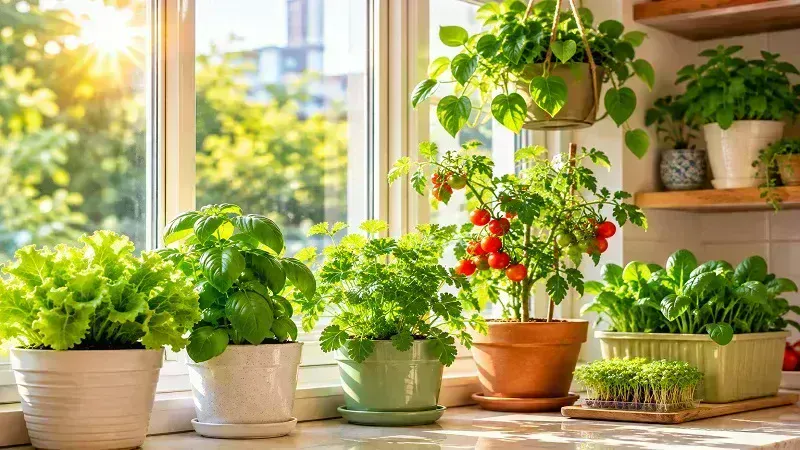
Growing herbs and vegetables makes gardening fun and useful. You may be able to grow herbs such as basil, coriander, or mint in suitable pots. If you want to grow vegetables, choose ones that grow well in your weather and fit your space. Tomatoes, lettuce, and some types of peppers can grow well in pots if they get the right care.
Choose pots with holes at the bottom so extra water can drain out. Give your plants enough sunlight. Check the soil often because plants in pots can dry out fast. Start with a few plants and learn how to care for them before growing more vegetables.
9. Use Compost to Support Plant Growth
Compost is made from decomposed organic materials and can improve garden soil. Depending on its quality, it can help improve soil structure and provide useful nutrients. You can use suitable compost made from materials such as plant waste and certain kitchen scraps. Avoid adding meat, dairy products, or oily foods to a basic home compost pile because they may attract pests and create unpleasant smells.
Allow compost to break down properly before using it around plants. Do not use too much compost. Use the amount that is good for your plants and soil. Composting can also help reduce some household waste while supporting your garden.
10. Protect Your Plants From Pests
Garden pests can damage leaves, flowers, and vegetables. Check your plants often to find problems early. Look under the leaves for insects or signs of damage. Remove dead leaves and keep your garden clean so pests have fewer places to hide.
For minor problems, you may be able to remove pests by hand or rinse them off with water, depending on the plant and pest. Encourage beneficial insects where possible, and choose treatments carefully if they become necessary. Always follow product instructions when using any garden treatment, and keep children and pets away from treated areas as directed.
11. Add Simple Garden Decorations
Small decorative touches can make your garden more inviting. You might add a simple pathway, attractive plant pots, a small seating area, or outdoor lights suitable for your space. Pick decorations that fit the size and look of your garden. Too many ornaments can make a small area feel crowded.
You can also use old containers as plant pots if they are safe for plants and have holes for extra water to drain out. Natural materials such as wood and stone can create a simple outdoor look. Keep decorations practical and make sure pathways remain safe and easy to use.
12. Create a Simple Garden Care Routine
Taking care of your garden regularly helps you find problems early. You do not need to spend hours in your garden every day.
A simple routine may include:
- Checking soil moisture and watering when needed.
- Removing weeds before they spread.
- Checking plants for pests or signs of disease.
- Removing dead leaves and flowers when appropriate.
- Seeing if plants need more room to grow or something to support them.
- Cleaning pots and storing tools properly.
Change your routine based on the weather and the plants you grow. During hot periods, plants may need more frequent checks, while cooler or rainy conditions may require less watering. Consistency is more useful than doing a lot of work only once in a while.
How Garden HomeNumental Can Help
Garden HomeNumental is about making gardening easier to understand for beginners and everyday homeowners. You do not need to be an expert to grow plants. Learn about sunlight, water, soil, and plant care to feel more confident.
At homenumental, we share practical ideas for gardens of different sizes. You can start with a few flowers, herbs, or plants and make your garden better over time. You can also create a quiet outdoor space to relax. Choose plants that fit your space, take care of them regularly, and enjoy watching them grow.
Frequently Asked Questions
1. How do I start a garden at home?
Choose a good spot, pick a few easy plants, prepare the soil or pots, and learn how much sunlight and water your plants need.
2. How often should I water my garden?
Every garden needs a different watering schedule. Check soil moisture, plant requirements, weather, and drainage before deciding when to water.
3. Can I make a garden if I have only a little space?
Yes. Pots, hanging planters, and vertical shelves can help you grow flowers, herbs, and some vegetables on balconies, patios, and windowsills.
4. What is the simplest way to take care of a garden?
Choose plants that suit your local climate, water them according to their needs, remove weeds regularly, and check for pests and diseases.
Conclusion
You can create a lovely garden with a few plants and regular care. By choosing suitable plants, preparing healthy soil, watering properly, and keeping your space organized, you can create an outdoor area that adds beauty to your home.
Garden HomeNumental encourages you to start small, learn as you go, and choose gardening ideas that fit your space and budget. With time and regular care, your garden can become a nice place to relax and enjoy nature. Explore HomeNumental for more simple ideas about gardening, home improvement, renovation, and decoration.